

Regenerative Tourism: When Traveling Also Helps Protect Nature
Regenerative Tourism: When Traveling Also Helps Protect Nature
Traveling can be an experience of discovery, but it can also generate tangible benefits for the places we visit. When approached from this perspective, tourism can contribute to conservation and local development. This is where regenerative tourism comes in: an approach that connects environmental conservation, education, income generation, and the appreciation of local communities.
In practice, it means creating tourism experiences that contribute to biodiversity protection, strengthen local economies, and expand knowledge about the territories we visit.
Its main pillars include:
- Conservation, education, and income generation integrated into tourism activities;
- Preservation and restoration of biodiversity;
- Strengthening local cultures and communities;
- More active participation by travelers in conservation experiences.
Mato Grosso do Sul offers particularly favorable conditions for this model. With the Pantanal and other highly biodiverse biomes, the state has been bringing tourism, science, culture, and conservation closer together through initiatives that demonstrate how these fields can work in an integrated way.
The support of institutions such as Embratur and the Mato Grosso do Sul Tourism Foundation (FundturMS – Visite MS) helps give visibility to this movement and to projects that connect destination promotion with the appreciation of natural and cultural heritage.
Ver esse post no Instagram
Conservation as an Experience
A concrete example is the work of Onçafari, an organization dedicated to the conservation of Brazilian wildlife through scientific research, nature tourism, and education.
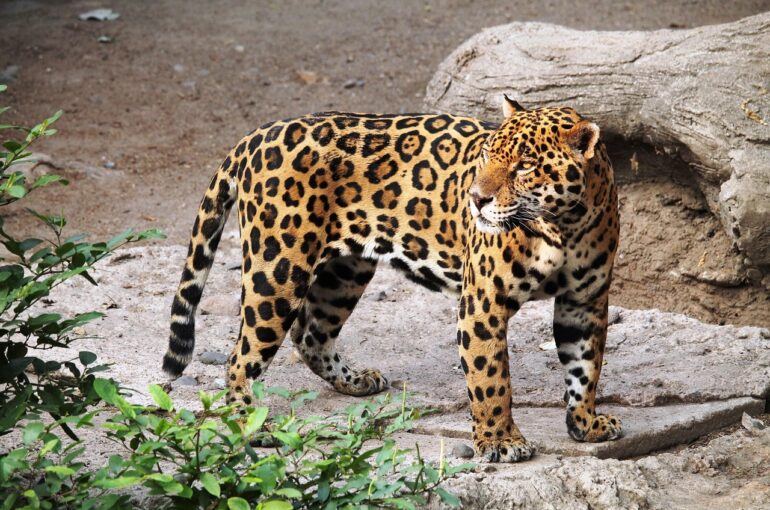
In the Pantanal, one of its initiatives involves habituating jaguars and other animals to the presence of tourist vehicles without altering their natural behavior. This process allows the animals to be observed more frequently during photographic safaris, creating an opportunity for visitors to connect with wildlife while generating economic value for its conservation.
The experience also takes place at partner lodges, where visitors can observe wildlife in natural environments in the Pantanal and other Brazilian biomes.
Behind each wildlife sighting is work that goes far beyond tourism. Onçafari invests in scientific research and species monitoring, producing information that helps guide conservation strategies.
It is precisely this integration that defines its regenerative impact:
- Conservation: nature tourism creates economic value that helps protect living animals and their habitats.
- Income generation: the tourism sector creates opportunities for local residents, including guides, drivers, researchers, and professionals working at lodges.
- Education: direct contact with wildlife transforms the visitor experience into an opportunity to learn about biodiversity and conservation.
- Cultural and natural appreciation: the jaguar as a symbol of the territory strengthens the connection between communities, wildlife, and the environments where they live.
According to data released by Onçafari, its work has already contributed to the habituation of more than 50 jaguars, expanding opportunities for wildlife observation and research. The organization has also expanded its activities to different biomes, including the Amazon, Cerrado, and Atlantic Forest.
Ver esse post no Instagram
When Art, Tourism, and Conservation Come Together
It is within this same context that cultural initiatives such as Jaguar Parade find their place.
By transforming the jaguar into an artistic platform, the initiative brings different audiences closer to a species that represents the richness of Brazilian biodiversity. The artworks bring the message of conservation into urban and tourist spaces, creating new opportunities for dialogue about protecting wildlife and biomes.
Partnerships with tourism-related institutions further expand this reach. Alongside conservation, research, and cultural appreciation projects, art helps build a narrative about a destination that encompasses not only its landscapes, but also the efforts required to protect them.
Tourism That Creates Value for the Territory
Regenerative tourism depends on a network. Conservation, science, communities, businesses, institutions, and visitors all participate in the same chain, in which tourism can contribute to preserving the natural and cultural resources that make each destination unique.
In Mato Grosso do Sul, experiences developed by Onçafari, Instituto Arara Azul, and other conservation initiatives demonstrate different paths toward this integration.
When tourism helps finance conservation, creates jobs, promotes knowledge, and values local culture, travel ceases to be merely an individual experience and becomes part of an economy connected to the protection of the territory.
It is a way of discovering Brazil in which nature, culture, and development move forward together — and where conservation itself can become part of the travel experience.